

The Hoppie Journal
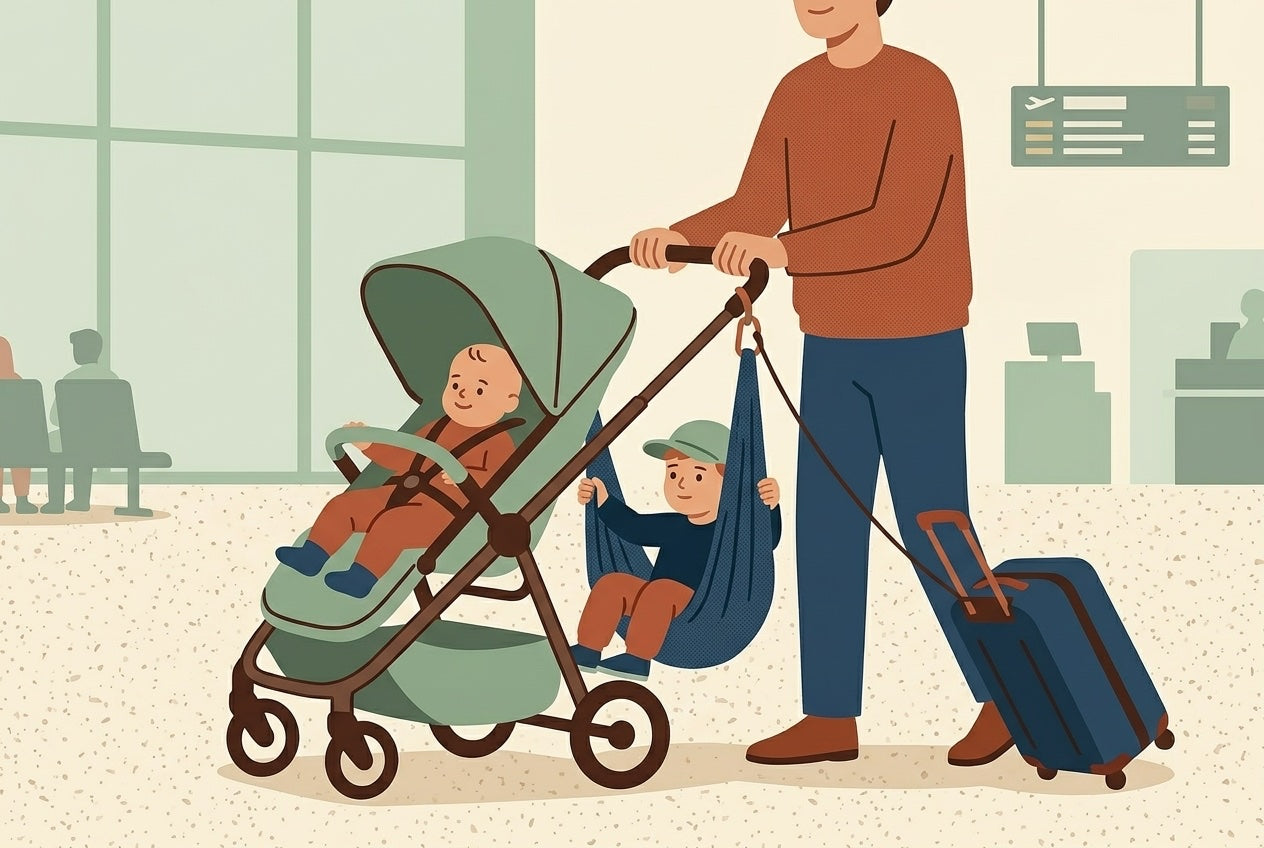

Carrying a Tired Toddler vs Using a Hammock Seat: Honest Pros and Cons
Carrying a tired toddler is fine for five minutes — after that, your back starts to disagree. This article honestly compares carrying vs using a stroller hammock seat, covers the real physical trade-offs, and helps parents decide when a second seat makes more sense than sore arms.
Learn more
When Should You Stop Using a Stroller for Your Older Child?
Most parents stop using a stroller for their older child between ages 4 and 5 — but the right time depends on walking distance, stamina, and the situation. Here's how to read the signals and decide what works for your family.
Learn more
Why Toddlers Get Tired Faster Than We Think (And How to Plan Walks)
Toddlers tire faster than adults expect — because of shorter strides, smaller energy reserves, and less efficient heat regulation. This guide explains the pediatric reasons behind toddler walking fatigue and shows you how to plan walks your whole family can actually finish.
Learn more
Stroller Hammock for Mall Days: A Parent's Survival Guide
Mall days with two kids are exhausting — long corridors, sensory overload, and a toddler who walked in fine but now wants to be carried. Here's how a stroller hammock seat changes the day, without adding a bulky double stroller to the mix.
Learn more
How Far Should a 3-Year-Old Walk in a Day?
Most 3-year-olds can walk around 1–2 km / 0.6–1.2 miles a day — but only in short bursts. Learn what pediatric guidance actually says about toddler walking distance, why stamina varies so much, and what to do when little legs give out mid-walk.
Learn more
Tired Toddler on the School Run: 6 Realistic Fixes
School runs with a tired toddler are short, stressful, and on a schedule. Here are six realistic fixes parents actually use — from leaving five minutes earlier to having a hammock seat backup for tired little legs. No judgment, just results.
Learn more
What to Do When Your Toddler Refuses to Walk
Toddlers refuse to walk because they're tired, hungry, bored, or overwhelmed — not just to be difficult. Here are the five most common reasons and seven practical fixes, plus guidance on when walking refusal might be worth a pediatrician conversation.
Learn more
How a Stroller Hammock Can Save You Hundreds vs a New Double Stroller
A double stroller can cost $400–800 or more. A stroller hammock seat costs $60–90. That gap is only the start — here's a breakdown of every dollar you save when you choose a hammock seat over a brand-new double stroller.
Learn more
Double Stroller Resale Value vs Reusing Your Single Stroller
A double stroller loses a significant share of its value within the first couple of years — and resale is rarely as easy as parents hope. Reusing your existing single stroller with a compact hammock seat is often the smarter financial move from the start.
Learn more